
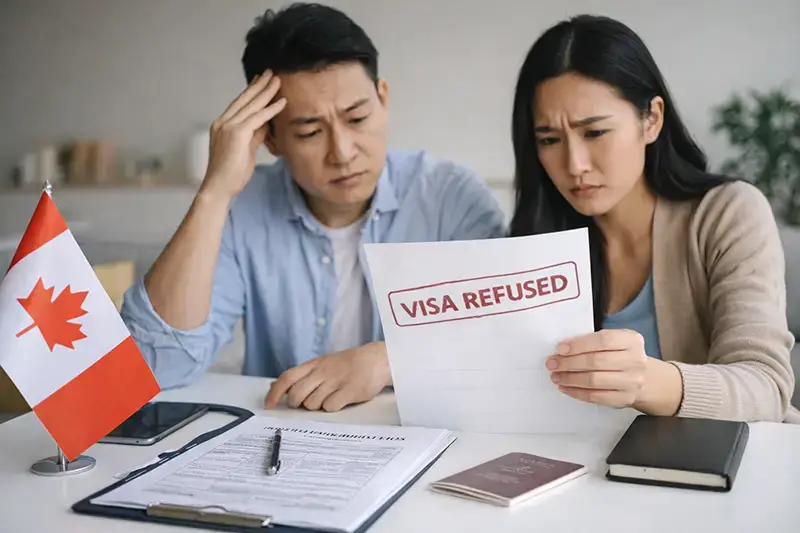
We all know how it feels to receive a visa rejection or delay
In 2026, immigration timelines and enforcement are more sensitive than many applicants expect. Canada has changed several programs, tightened some temporary resident pathways, and stepped up enforcement and removals in recent years. So delays, refusals, and status issues now carry higher stakes. The risk is greatest if you miss a deadline or misread a letter from IRCC or CBSA.
Are you trying to decide whether immigration lawyers in Canada are relevant to your situation? This guide walks through 8 common scenarios where professional legal help may matter, without overpromising any outcome.
First: Don’t guess — identify what kind of issue you have
For a broader framework on when any legal situation in Canada warrants professional help, our guide on when Canadians need a lawyer provides context.
Before you contact anyone, write a 6–8 line summary:
-
Program (visitor / study / work / PR / sponsorship / refugee)
-
Current status + expiry date
-
What happened (refusal, delay, procedural fairness letter, etc.)
-
Deadline(s) listed in any letter
-
Province/where you’re located
-
What you’re trying to achieve next
This makes it much easier for immigration lawyers in Canada to quickly tell you whether they’re the right fit.
1) Your visa, permit, or PR application was refused
Refusals happen for many reasons: missing documents, credibility concerns, weak financial proof, eligibility interpretation, or inconsistent information. This is a classic reason people contact immigration lawyers in Canada. The reason for refusal usually decides what options exist next, whether that means a reapplication, a reconsideration strategy, or an appeal or judicial review where it applies.
What to collect: the refusal letter, your submitted forms, supporting documents, and any communication history.
2) Your application is delayed and you’re hitting a real deadline
A normal “processing time” is one thing. A delay that costs you a job start date, a school intake, or your legal status is another. This is where immigration lawyers in Canada can really help.
When timelines get urgent, immigration lawyers in Canada can explain which actions are reasonable, which documents strengthen your next steps, and how to avoid making the delay worse with a rushed reapplication.
3) You received a Procedural Fairness Letter (PFL)
A Procedural Fairness Letter is usually time-sensitive. It signals that IRCC has concerns they want you to address before they decide. This is one of the highest-stakes moments in an application, and a common reason people seek immigration lawyers in Canada. Your response has to be organized, factual, and aligned with exactly what the letter asks.
If you have a PFL deadline, treat it as urgent.
4) Your status is expiring (or you already fell out of status)
If your permit is about to expire, or you’ve already lost status, small mistakes can create big problems. Many people contact immigration lawyers in Canada at this point because the timing and eligibility rules can be strict. The right next step depends heavily on your exact situation.
This matters even more if you’re working, studying, or have a family situation tied to your status.
5) You’re facing cancellation, non-compliance concerns, or admissibility questions
In recent years, Canada has introduced measures to strengthen document cancellations and border integrity, and it has made major policy changes to temporary residence programs.
Does your issue involve allegations of non-compliance, document cancellation, misrepresentation concerns, or admissibility questions? People often look for immigration lawyers in Canada here, because the consequences can be serious and the process can be complex.
6) You received CBSA contact, a removal order, or enforcement-related notice
If you have an IRCC deadline within days or a removal-related matter, our guide on finding a lawyer urgently in Canada covers the fastest verified paths to legal help.
Not every CBSA interaction means removal. Still, anything enforcement-related deserves care. Canada’s enforcement activity has grown in recent years, and government reporting shows higher removals and plans that target higher annual removal volumes.
This is a scenario where immigration lawyers in Canada often matter. There may be strict timelines, specific procedural steps, and serious personal consequences, depending on your circumstances.
When family separation overlaps with immigration status, especially for sponsored spouses or mixed-status families, our guide on family lawyers in Canada explains the overlap.
7) Family sponsorship complications (refusals, inadmissibility, proof issues)
Sponsorship cases get complicated for many reasons: documentation gaps, relationship evidence concerns, financial eligibility, past immigration history, or inadmissibility. When a sponsorship file is refused or challenged, people commonly contact immigration lawyers in Canada to understand what went wrong and what a stronger next step looks like.
8) Your situation involves multiple moving parts (work + study + PR + family)
In 2026, many applicants are moving across categories: study to work, work to PR, family changes, or shifting program eligibility. When a case involves several programs, deadlines, or past refusals, immigration lawyers in Canada can help make sure your next step doesn’t conflict with another part of your situation.
This is also where people lose the most time through trial-and-error applying.
What to do next (a fast, calm plan)
If you’re under stress, use this 5-step plan before you contact immigration lawyers in Canada:
-
Stop guessing: identify if it’s a refusal, delay, status issue, PFL, enforcement, or inadmissibility
-
Find the deadline in your letter (or your permit expiry)
-
Build a clean folder: letters + forms + evidence + timeline summary
-
Shortlist 1–3 lawyers in your province or with your program focus
-
Ask 3 screening questions on the first call:
-
“Do you handle this exact type of file regularly?”
-
“What are the realistic next steps and timelines?”
-
“What documents do you need from me to assess properly?”
-
For official program updates, forms, guidance, and the current status of Canada’s programs, refer to Immigration, Refugees and Citizenship Canada (IRCC).
How Olanur helps you find the right immigration lawyer
If you’re not sure which immigration category you’re in — refusal, delay, PFL, status, or enforcement — starting with a structured intake can save time.
That’s where Olanur fits naturally. You describe your situation in plain language, the platform helps identify the relevant category, and you can connect with independent, licensed immigration lawyers in Canada based on location and urgency. So you’re not randomly messaging firms and hoping for the right match.

Frequently Asked Questions
You should consider contacting an immigration lawyer in Canada if your visa, permit, PR, or sponsorship application was refused, your status is expiring, you received a Procedural Fairness Letter, you have CBSA contact, or your case involves inadmissibility, misrepresentation, enforcement, or urgent deadlines.
Not always, but it can be helpful. A lawyer can review the refusal letter, identify the reason for the decision, explain whether reapplying makes sense, and advise whether reconsideration, appeal, or judicial review may be relevant depending on the case.
A Procedural Fairness Letter is a notice from IRCC giving you a chance to respond to concerns before a final decision is made. Because these letters are usually time-sensitive and can affect the outcome of your application, many people seek legal help before responding.
Yes. If a delay is affecting your job, school intake, legal status, or family situation, an immigration lawyer can help assess your options, organize supporting documents, and determine what steps may be reasonable based on your circumstances.
Prepare your refusal letter or IRCC/CBSA notice, application forms, supporting documents, current status and expiry date, communication history, passport details, and a short timeline explaining what happened and what deadline you are facing.
Yes, depending on your situation. An immigration lawyer can assess whether restoration, a new application, or another legal option may be available. Timing is important, so you should get advice quickly if your status has expired or is about to expire.
If CBSA contacts you about an immigration issue, removal order, admissibility concern, or enforcement matter, treat it seriously. Gather all documents, avoid guessing, and speak with an immigration lawyer as soon as possible so you understand your rights, deadlines, and next steps.
Olanur helps you describe your immigration issue in plain language and identify the relevant category, such as refusal, delay, PFL, status issue, sponsorship problem, or enforcement concern. Then it helps connect you with independent, licensed immigration lawyers in Canada based on your province and urgency.
Final takeaway
Refusals and delays are frustrating, and in 2026 they can also be riskier, especially when your status is expiring or enforcement notices are involved. If your file includes a refusal, major delays, a PFL, status issues, inadmissibility concerns, CBSA contact, sponsorship complications, or several overlapping pathways, immigration lawyers in Canada may matter, because clarity and timing matter. If you are not sure how to choose the right lawyer, read How to find a lawyer in Canada (2026) for more insight.
Next step: Start with Find a Lawyer in Canada to connect with immigration lawyers in Canada who match your category and province.
Rohan Whitfield
Employment & Immigration Law Contributor
Rohan writes on employment rights, wrongful dismissal, severance entitlements, and Canadian immigration law, helping workers and newcomers understand their legal options.